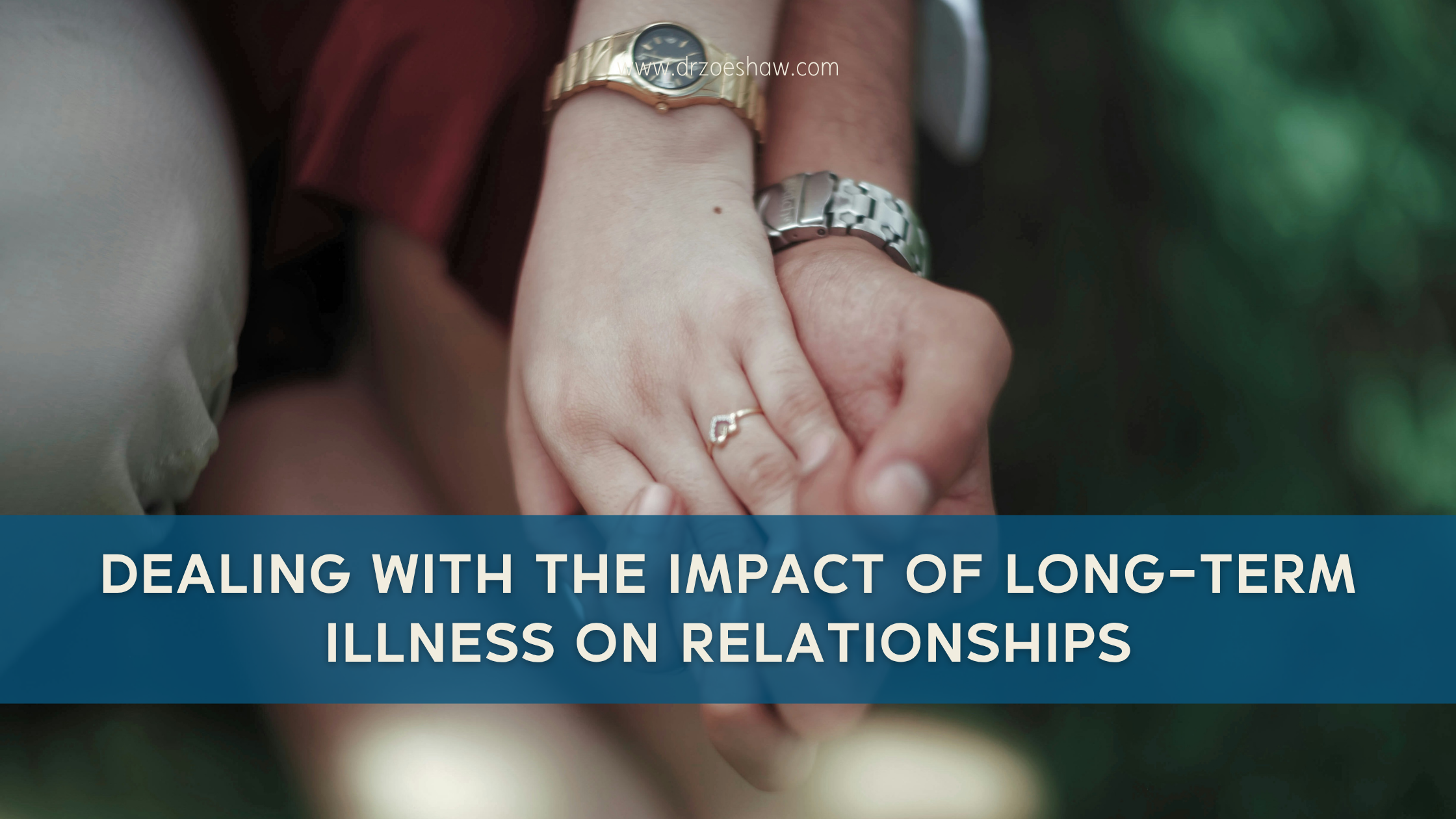
What happens to love when sickness moves in uninvited? It’s a question most of us avoid until we can’t anymore. Chronic illness doesn’t just challenge the person living with it. It reshapes every relationship around them, quietly testing bonds we assumed were unbreakable.
According to the Centers for Disease Control and Prevention (CDC), three in four American adults live with at least one chronic condition. Over half navigate life with two or more. That means millions of couples are figuring out how to stay connected when everything feels different.
What makes this even harder to digest is a troubling pattern researchers have uncovered. When wives fall ill, marriages end seven times more often than when husbands face the same struggle. It’s a harsh truth, one that highlights the emotional labor that chronic illness quietly brings into relationships.
By acknowledging the emotional toll, you can better support one another and strengthen your connection through it all.
How Chronic Illness Changes Relationships
Everything changes when chronic illness shows up. Simple things stop being simple. The partner who cooked dinner now struggles to stand that long. Plans fall through so frequently that you feel silly making new ones. One person battles their body daily. The other battles while watching it happen.
Intimacy gets weird when you’re also managing wound care or medication schedules. You catch yourself grieving the relationship you had, then feeling guilty for it. They feel guilty for needing so much help. You feel guilty for getting frustrated. Suddenly, you’re both walking on eggshells in a home that used to feel easy.
Friends ask how you’re doing and you don’t know where to start. Love isn’t supposed to include this much logistics and fatigue. But it does now, and you’re both figuring it out in real time.
Finding Your Way Through This Together
You can’t prevent illness from changing things, but you can choose how you respond to it. Small shifts in how you communicate, ask for help, and protect your connection make more of a difference than you’d think. None of these fixes the hard parts, but it might help you stay anchored to each other while navigating them.
Consider Couples’ Therapy
Couples therapy is no longer a last resort for American couples. It’s maintenance before things break completely. A recent study found that nearly all respondents in couples therapy (99%) reported positive impacts on their relationship, with three-quarters saying the impact was high or very high.
Having someone outside your situation helps untangle feelings you can’t express to each other. They teach you how to fight fair, ask for what you need, and remember why you’re still choosing each other. Sometimes you need a translator when chronic illness has scrambled your language.

Overcome the Financial Burden Together
With the rising cost of treatment, couples therapy might not be feasible for everyone. The financial strain can add more stress to an already challenging situation. It’s important to manage finances by setting a budget, cutting unnecessary expenses, and reviewing insurance options that may help with medical costs.
Check if you qualify for assistance programs through hospitals or nonprofits. Some pharmaceutical companies offer financial assistance with medication costs. It’s tedious paperwork, but savings add up.
Sometimes the illness itself opens doors to financial relief you hadn’t considered. If workplace chemical exposure caused the condition, particularly from exposure to harmful chemicals, you might be entitled to compensation.
For example, railroad workers who face constant exposure to dangerous substances like diesel exhaust, benzene, asbestos, and silica dust often suffer serious health issues. If this is the case for your loved one, consider reaching out to an attorney, notes Gianaris Trial Lawyers.
Railroad cancer lawyers can help secure compensation for medical expenses and lost income. It won’t undo the illness, but it might ease the financial panic, making everything harder.
Find Strength in Flexibility and Patience
Living with chronic illness means daily life changes, and it requires patience and flexibility from both partners. You may find that your roles and responsibilities shift unexpectedly, and that’s okay.
Instead of focusing on what’s different, try to embrace the changes with understanding. There will be moments of frustration, but recognizing that it’s normal to feel this way can help ease the pressure.
Focus on small, manageable goals. Whether it’s accomplishing a household task together or taking a break to rest, celebrating these moments can help keep things in perspective. Setting realistic expectations can keep you both grounded without feeling overwhelmed by everything that needs to be done.
Above all, practice kindness and compassion for each other. Chronic illness is a long road, but approaching it with patience and support can strengthen your connection and make the journey more manageable for both of you.
Focus on Emotional Support and Open Communication
Chronic illness can take a serious toll on mental health, affecting both the person who is ill and their partner. The stress of managing the condition, worrying about the future, and adjusting to new routines can lead to anxiety, depression, and feelings of isolation. It’s important to recognize that these emotional struggles are as valid as physical ones.
While mental health issues are slightly more common among women, men are often less likely to seek help or even receive a proper diagnosis. This can create a barrier for men who may be struggling but feel unable to talk about it. If either partner is feeling mentally drained, consider speaking with a professional.
Support groups can also be incredibly helpful, offering a space to connect with others who understand what you’re going through. Sometimes just knowing you’re not alone in this makes a difference. Don’t underestimate the value of small self-care practices either, even if it’s a few minutes of journaling, a walk outside, or simply taking time to breathe.
These moments might seem minor, but they help you recharge when everything else feels overwhelming. Taking care of your mental health isn’t selfish. It’s necessary if you want to show up for each other in meaningful ways.
Moving Forward, Together
Chronic illness doesn’t just affect the body; it changes the rhythm of relationships. But with open communication, emotional support, and flexibility, couples can find new ways to stay connected. Whether it’s seeking therapy, managing financial stress, or focusing on mental health, there are ways to navigate this journey together.
The bond you share can grow even stronger by embracing these challenges with patience and care. In the end, love, understanding, and support are the foundation that will carry you through.
Subscribe and Heal your Relationships.
You deserve a healthy, loving relationship and it starts with You. Learn how to untangle
Complex Shame™ and co-dependency to finally have the beautiful, secure relationship with
yourself and others that you’ve always wanted.
Subscribe and as a thank you, I’ll send you the Steps to Healing from Complex
Shame™.