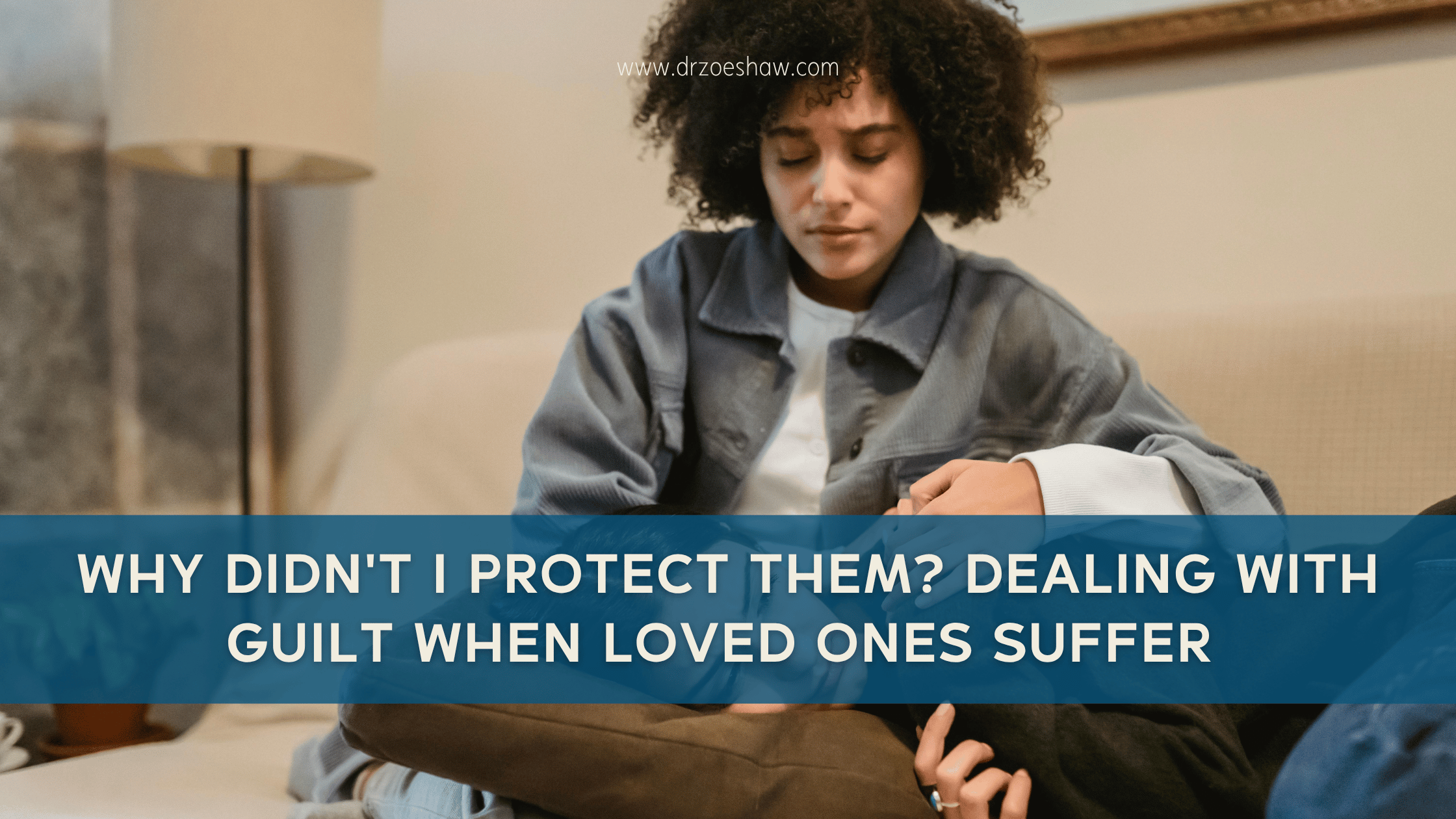
Relationships have an entire assortment of flavors: the sweet memories of togetherness, the bitter pangs of being apart. One of the worst experiences can be witnessing your loved one in pain and feeling unable to make a change. The associated guilt is real and acutely sharp.
In the precarious world we live in, troubles are not hard to encounter. From illness and work stress to accidents, so many things can get us down. When trouble befalls someone we love, whether it’s a partner or another family member, it’s tough to isolate oneself from the cause.
Could you have done something, anything, to prevent the event from happening? Why didn’t you?
Here are some therapeutic approaches to deal with this guilt for your sake and that of your loved one. They wouldn’t want you to suffer as well.
Recognizing That Your Guilt Is Probably Lying to You
When tragedy strikes our loved ones, we feel an abrupt loss of control. The reality that the world can throw up unexpected challenges and setbacks becomes all too stark. For many of us, feeling guilty is a way to regain the illusion of control. It tells us that we could have changed things, but did not.
Psychology Today explains that as we grieve, guilt can become a ‘habit.’ The neurons that trigger love, loss, and guilt intertwine so closely that our neural pathways cannot help but evoke these feelings.
It can be helpful, although distressing at first, to recognize that our guilt has become stuck in our heads. That it has no reality attached, no more than we have the power to prevent terminal illnesses or people breaking our trust.
With the world becoming increasingly complex every day, negative feelings can disturb us from multiple directions.
For instance, many parents now suffer from a phenomenon called “sunshine guilt,” which stems from not taking their kids out on fine-weather days. The reality? On some days, it is just not possible, and feeling bad about it is irrational. Experts recommend that parents optimize the indoor day with pretend play, arts and crafts, and movement breaks.
The Conversation reports the grim reality of survivor’s guilt, as experienced by those who have faced disasters. Just one passenger survived the horrific Air India crash in 2025. Such events can affect people for years, causing anxiety, grief, and uncertainty. When someone you love succumbs to disaster but you emerge unscathed, the gift of life can seem like a burden.
Again, the only way to cope is to remind yourself of the reality: we cannot control many events in life, and relearning to live unburdened is important.

Holding the Real Culprit Accountable
In some cases, it may be necessary to find accountability to deal with your guilt and also bring justice to the ones who have suffered.
For example, you may blame yourself for letting your spouse go on a drive alone since you were busy elsewhere. They wouldn’t have met with an accident had they not ventured out. But wait. They wouldn’t have been injured if another driver on the road hadn’t been overspeeding and driving recklessly.
Recently, in Rogers, Arkansas, a multi-vehicle crash left several people injured. According to 5News, the accident stalled traffic on I-49 for over half an hour. Such accidents can sometimes lead to injuries with an extended recovery period and potential missed work. The victims in such cases can work with a Rogers personal injury lawyer to claim damages for their injuries.
It’s essential for more people to follow this route to bring a culture of accountability in potential places of personal injury, from roads to nursing homes and even daycares. Keith Law Group notes that incidents like wrongful death involve so much loss, from companionship to love, that letting it go can feel daunting. Instead, making the liable parties pay can bring some closure.
Speaking to Someone Who Understands
Another way to work through your guilt is to seek guidance from a professional. They can lend a non-judgmental listening ear and recommend strategies to promote healing from within.
Many people still hesitate to seek help for any concerns related to their mental well-being, such as identifying whether they are in a toxic relationship or are the victims of gaslighting.
VeryWell Mind notes that this problem may be more severe in men due to social norms and reluctance to express their feelings. Statista reports that only 17 percent of men in the US received counseling in 2024, compared to over 28 percent of women.
You may feel similarly awkward about approaching a therapist with a guilt trap you cannot escape. However, some situations warrant professional advice, especially when the guilt starts interfering with your daily life and causing physical repercussions. A Harvard Medicine feature notes that prolonged grief (and guilt) can affect your sleep quality and even worsen heart troubles.
Some strategies a professional may use are:
- Helping you to stop negative self-talk
- Identifying and managing post-trauma issues that could be worsening your guilt
- Focusing on your personal strengths and acts of kindness toward others
- Managing sleep and anxiety problems that could manifest at this time
Being witness to the suffering of those you love can be heartbreaking. Try as intensely as you may, it is challenging not to feel guilty.
In these circumstances, it is absolutely vital to deal with your guilt before it starts affecting your mental health and well-being. Unresolved guilt can fester over time, affecting your personal life and the way you approach relationships in the future.
Subscribe and Heal your Relationships.
You deserve a healthy, loving relationship and it starts with You. Learn how to untangle
Complex Shame™ and co-dependency to finally have the beautiful, secure relationship with
yourself and others that you’ve always wanted.
Subscribe and as a thank you, I’ll send you the Steps to Healing from Complex
Shame™.