You know the expression, “dying from a broken heart?” Many folks dismiss it and associate the phrase with teens being over dramatic or the shock of ending an intense relationship.
That’s because you probably haven’t heard of “takotsubo cardiomyopathy.” Also called “broken heart syndrome,” the condition is recognized by the medical community. Cleveland Clinic explains it as feeling as if your heart is really breaking.
Normally, when you experience a traumatic event, the nervous system triggers stress hormones (adrenaline and epinephrine). And on rare occasions, a surge of adrenaline causes the heart muscle to stop contracting normally, resulting in short-term heart failure.
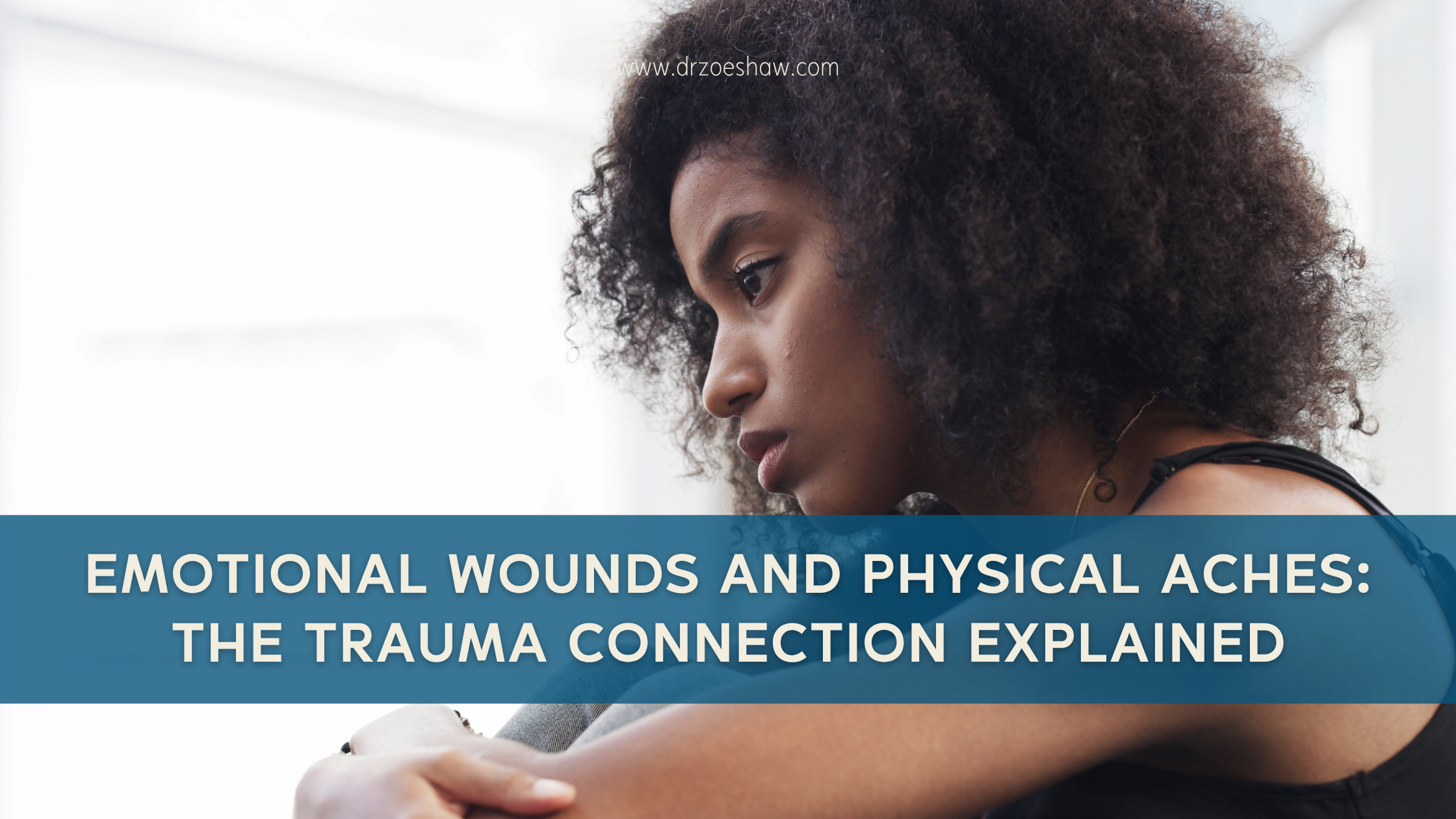
Broken heart syndrome is one example of how our emotional wounds can manifest in physical form. Let us explain the connection below.
How Emotions Show up as Aches
Muscles Hold Stories
Your body stores tension. It uses muscles to brace against fear. Over time, that guarding becomes chronic pain. Physiotherapy experts explain how emotional memory can appear as tightness, restricted movement, and persistent pain.
Pain Sensitivity can Increase
Stress does more than tighten muscles. It can change how the brain senses pain. A study from the Tokyo University of Science shows that stress caused by sound can increase pain sensitivity and brain inflammation. That helps explain why otherwise “unexplained” pain can feel so real and so strong.
Specific Body Areas Reflect Emotional States
Sometimes the location of pain maps to themes in life. Hip or pelvic tension may relate to feelings about safety, vulnerability, or grief. Journalists and clinicians are noticing these links in coverage of hip pain and emotional tension.
Practical Help
Trauma occasionally follows accidents, injuries, or events that create legal and financial strain. It’s hard trying to piece your life back together. The best thing you can do is seek professional help, albeit via therapy, a medical doctor, or the law.
Last week, an SUV crashed into a King Soopers in Colorado Springs, injuring six people. KOAA News5 reports that the crash was an accident. Still, the driver is liable for the damage caused. If the victims want to take action, they could file personal injury claims with a Colorado Springs personal injury lawyer.
They could sue for physical and emotional trauma. Should you find yourself in a similar situation, letting trusted professionals handle logistics can free you to focus on healing.
Springs Law Group advises hiring an experienced personal injury attorney to reach a settlement offer you agree with or file a lawsuit. Their role is to protect your recovery time, secure compensation, and cover medical expenses.
Survivor Guilt
What happens when you’re the only one who survived a fatal car accident? Feelings of remorse can haunt you for a lifetime. Common physical side effects are insomnia, digestive issues, and fatigue, according to Healthline.
The physiological effects are as painful. You might struggle to turn your thoughts to anything else. Your guilt might stem from your survival, but you might also spend time thinking about what you could have done differently.
Post-traumatic stress disorder (PTSD) is a possibility. The Diagnostic and Statistical Manual of Mental Disorders (DSM) names guilt and self-criticism as symptoms of PTSD. In many cases, survivor’s guilt accompanies PTSD.
You’re Not Imagining it
When doctors say “nothing shows up on tests,” it can feel invalidating. Remember, physical testing does not capture everything.
Emotions reshape nerves, muscles, and brain circuits. Healthline explains that strong feelings and chronic stress can produce real physical symptoms.
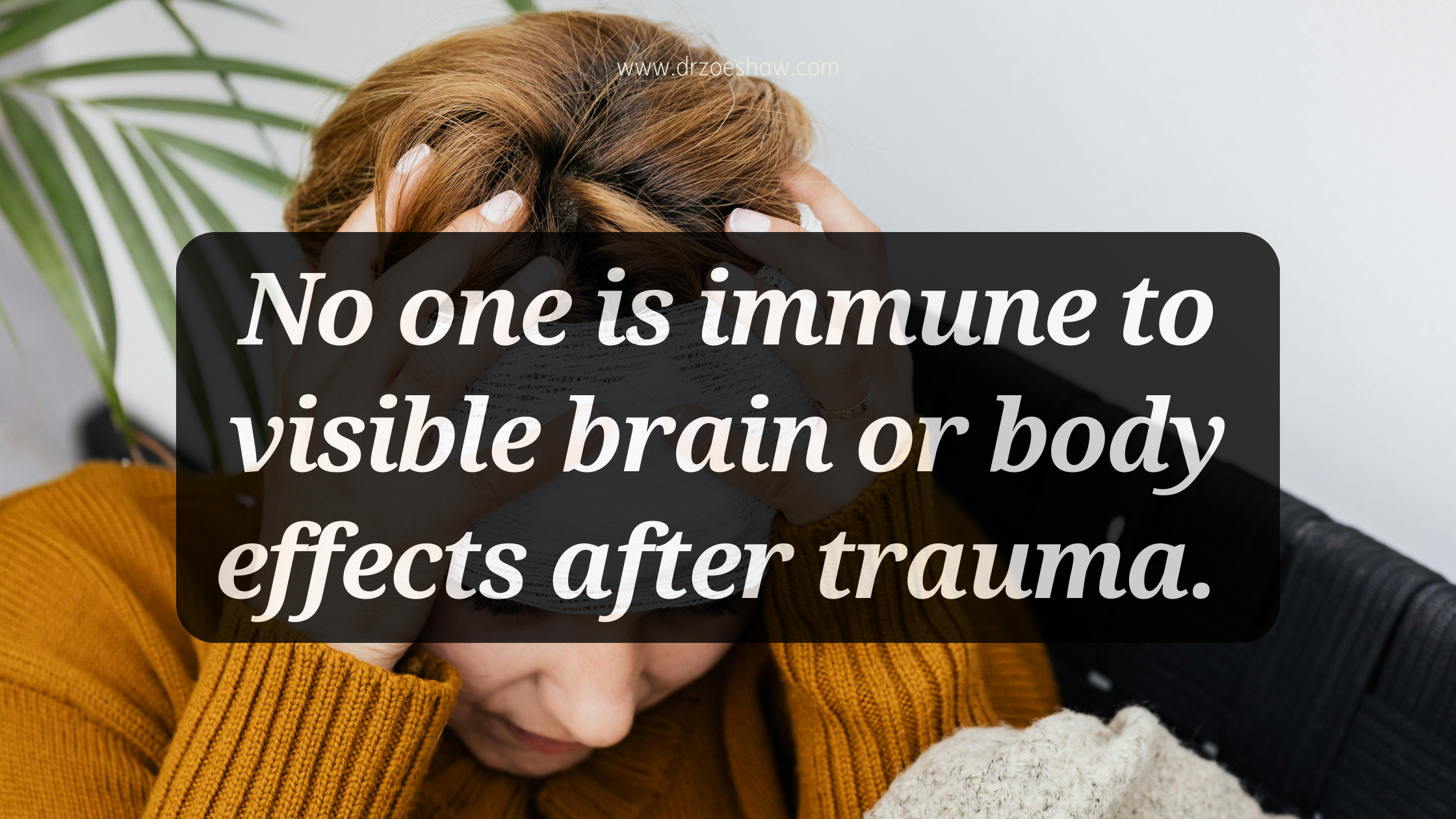
No one is immune to visible brain or body effects after trauma. Reality TV star Khloé Kardashian recently spoke of her brain scan results following a car accident and head trauma. While talking to Dr. Amen on her Khloé in Wonderland podcast, the 40-year-old recalled a traumatic car crash when she was 16.
Her brain scan revealed how head trauma and related symptoms are real, measurable, and deserving of care.
Take Gentle Steps
Labeling feelings reduces their intensity. Pay attention to where your body feels tight, and take slow breaths. Simple awareness is the first step toward change.
Movement also helps regulate the nervous system. Walk. Stretch. Try gentle yoga or guided body scans, as recommended by physiotherapists. These exercises reconnect the body and mind.
Trauma-informed therapists understand how feelings and bodies interact. They can help you process memories and retrain your nervous system.
If the pain persists, get a medical evaluation. Medical checks rule out structural issues. A combined approach, including medical treatment, physical therapy, and trauma work, often helps.
Your pain is valid. Don’t let anyone discount it. Hence, the next time you feel like you might die from a broken heart, don’t take it as a euphemism. Get help asap.
Subscribe and Heal your Relationships.
You deserve a healthy, loving relationship and it starts with You. Learn how to untangle
Complex Shame™ and co-dependency to finally have the beautiful, secure relationship with
yourself and others that you’ve always wanted.
Subscribe and as a thank you, I’ll send you the Steps to Healing from Complex
Shame™.