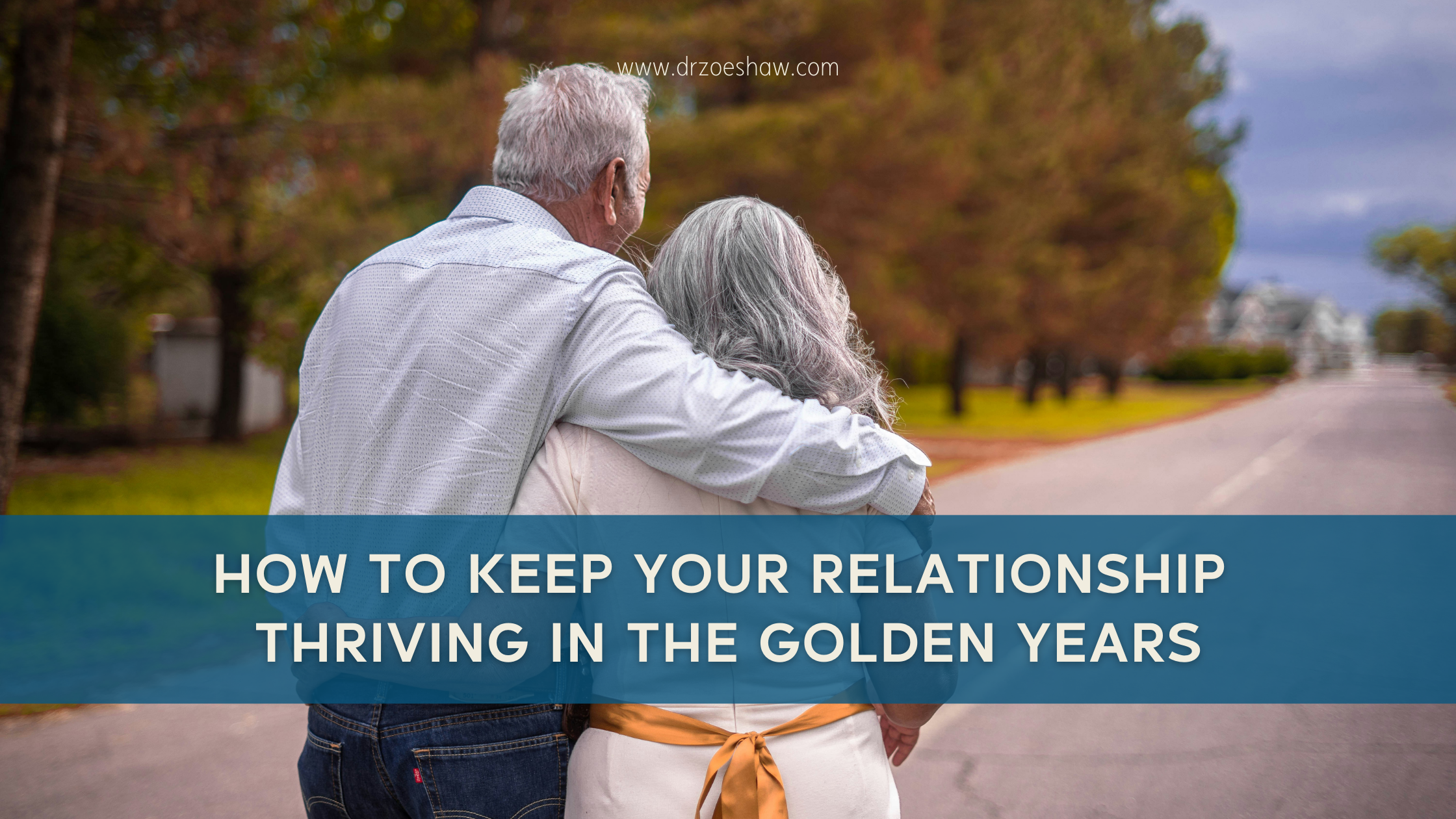
Life after crossing the sixties opens a new chapter. It is a period of calmness, reflection, and deeper companionship. When kids are off to start their life and there’s no stress to go to work daily, you tend to focus more on your life as a couple. You get more time together, and also a distraction-free space when living as empty nesters.
Yet, even after years together, keeping a relationship vibrant requires conscious effort. The golden years can strengthen a bond or expose habits that were once overlooked. You may see the best and worst in each other at this phase of life. At the same time, as aging takes its toll, intimacy falters.
However, couples can make this stage of life one of renewed connection and joy with the right approach and mindset. In this article, we will share a few actionable tips to thrive as a couple in your golden years.
Engage in Shared Activities
An NIH study highlights how the emotions and physiology of aging couples may be closely related. This happens because they spend more time together and depend on each other for support. This is a good time to explore shared activities that bring joy and purpose for both partners.
After years of managing responsibilities, work, and family, older couples finally have the time to reconnect through hobbies and adventures. Even the simplest ones, like gardening, traveling, painting, or joining a local walking club, create excitement and new memories. People who participate in joint leisure activities experience higher relationship satisfaction.
Shared experiences deepen emotional bonds and break the monotony of daily routines. For instance, traveling together offers opportunities for discovery and laughter. Similarly, volunteer work can inspire a sense of purpose and community connection. When couples prioritize companionship and fun, they renew their sense of partnership and feel youthful again.
Maintain Communication
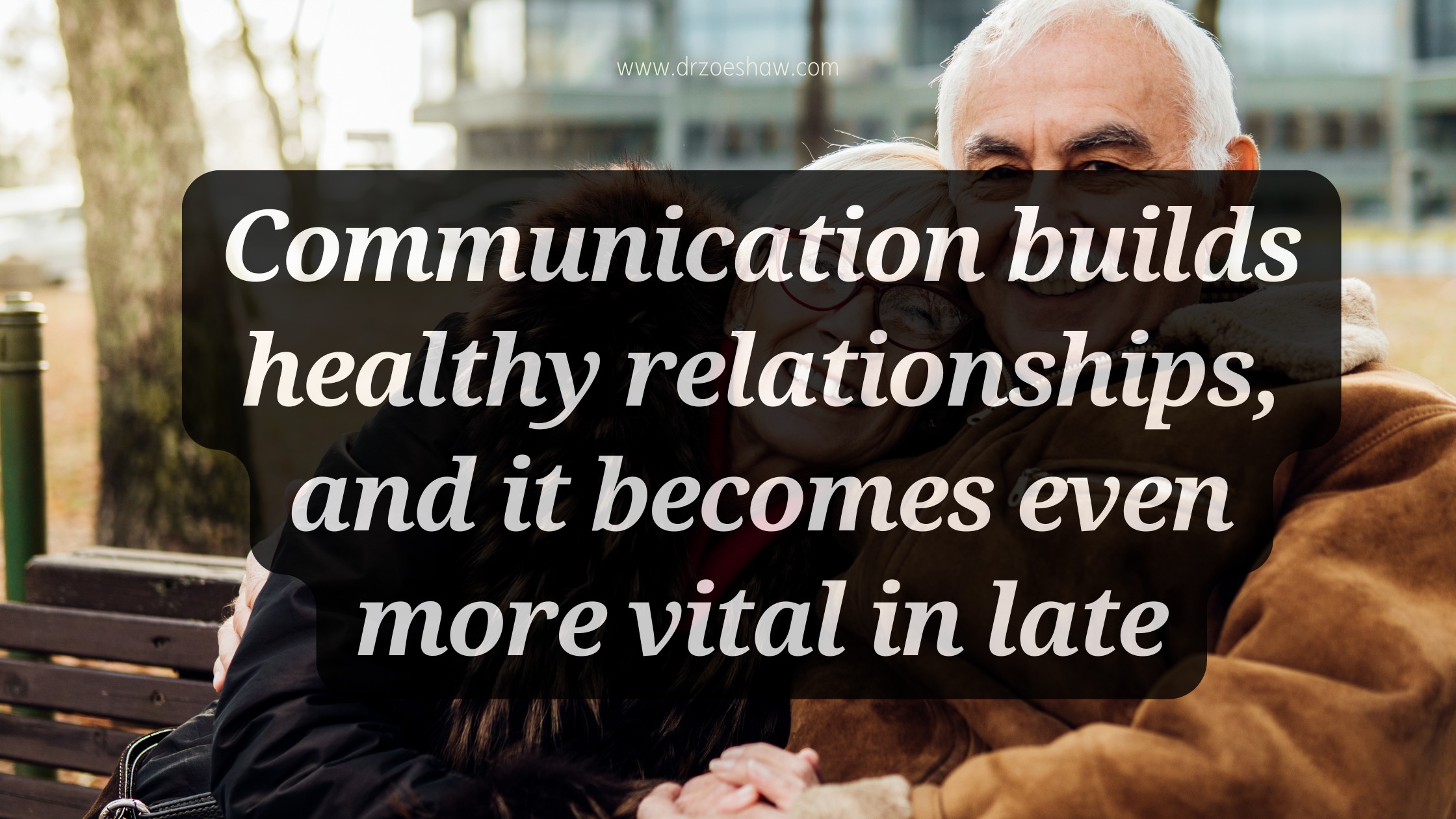
Communication builds healthy relationships, and it becomes even more vital in later years. As couples grow older, life brings new transitions, such as retirement, health challenges, or lifestyle changes. These phases require honest conversation and emotional openness, which often becomes a struggle for seniors.
In an article in Life Goals Collective, a couple that has been together for 38 years shares some valuable recommendations on communication. They highlight the importance of listening to your partner rather than talking. They also suggest being unselfish and ensuring that the quiet person gets a chance to be more expressive. The third piece of advice is to dream together.
Take time each day to discuss feelings, share gratitude, or simply ask about each other’s day. Couples can strengthen this bond by developing a rhythm of regular check-ins. Disagreements are inevitable, but how they are handled determines the stability of the relationship. Avoid blame, stay patient, and use humor to defuse tension and prevent resentment from building.
Prioritize Self-Care as a Couple
A thriving relationship during the golden years also depends on personal well-being. When both partners are healthy individually, they bring more positivity and energy into the relationship. A shared self-care routine keeps both partners healthy and gives them a shared goal and vision that keeps them going.
Couples can practice shared self-care rituals like morning walks, yoga sessions, or meditation. Engaging in mindful eating or preparing healthy meals together reinforces teamwork and mutual accountability. Following the best practices for improving sleep quality for seniors is equally important because it provides rest and rejuvenation.
Also, you should give space for personal hobbies and solitude because they are a part of self-care. This ensures that individuality flourishes alongside togetherness. Many couples find joy in supporting each other’s goals. When one partner feels seen and supported, it enriches the overall connection.
Practice Empathy
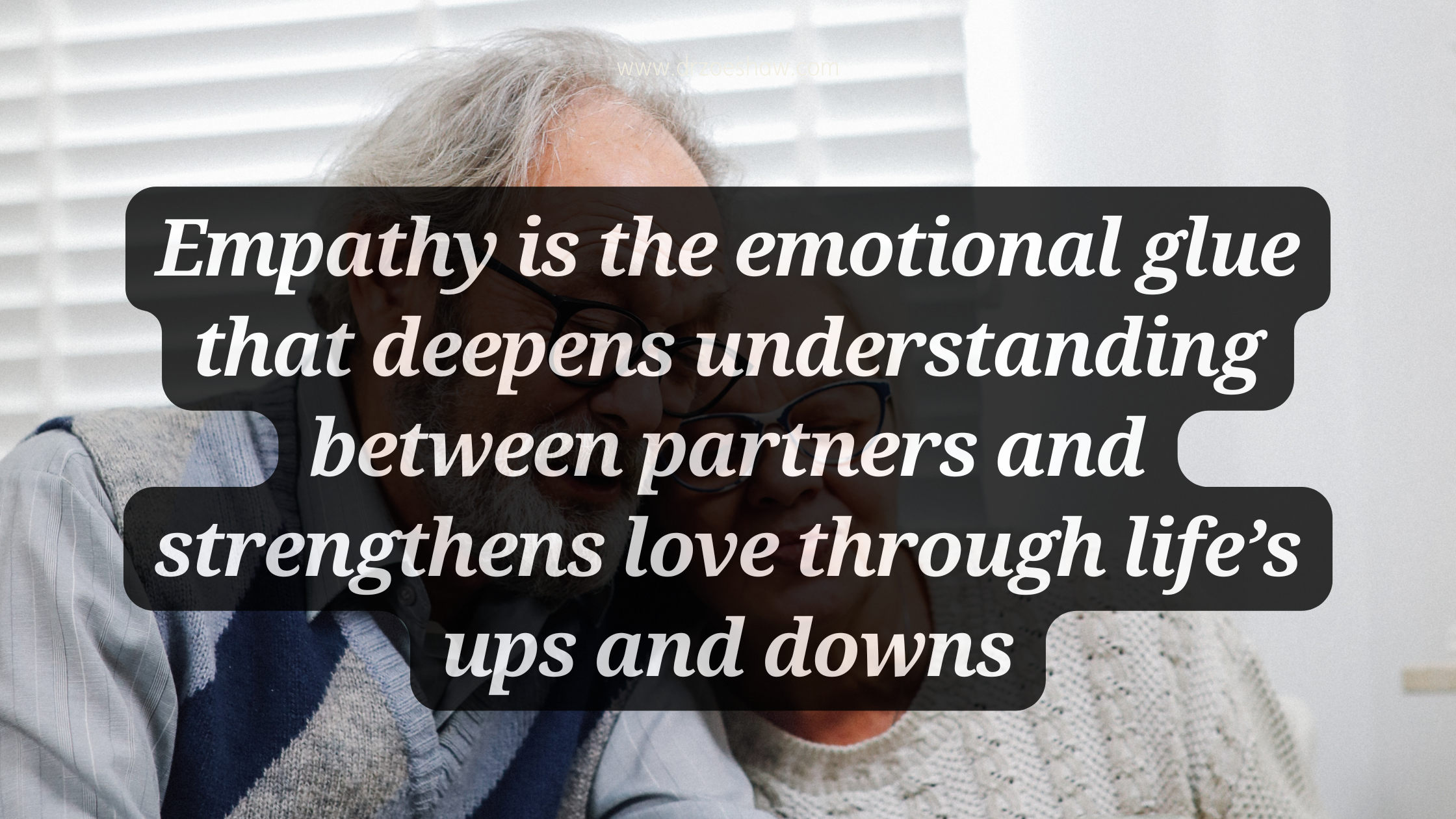
Empathy is the emotional glue that deepens understanding between partners and strengthens love through life’s ups and downs. In the golden years, empathy becomes more crucial, as both partners may experience changes in abilities, routines, or roles. Practicing empathy involves acknowledging that your partner is evolving and the pace of adaptability may differ for them.
Learn to put yourself in your partner’s shoes. Understanding their fears, frustrations, or limitations fosters compassion rather than criticism. For instance, patience during moments of forgetfulness or listening without judgment during emotional times builds harmony and trust in your relationship.
Simple gestures, like offering help without being asked, noticing when your partner feels low, or giving reassurance during uncertainty, show care in everyday ways. Couples who nurture empathy can navigate aging more gracefully and strengthen their sense of emotional partnership.
Preserve Intimacy
Relationships thrive on intimacy, and as you age, this may be a concern. According to the National Council on Aging, everyone craves intimacy, and this need does not change as you age. Intimacy is not about sex; other forms of shared experiences in romantic or platonic settings can foster closeness in aging couples.
In fact, many people, in their later years, rediscover new layers of intimacy as life slows down and distractions fade. Physical affection, such as hugging, holding hands, or sharing gentle touches, enhances emotional well-being. This physical connection can be just as meaningful as romantic intimacy. Emotional intimacy thrives by sharing memories, fears, and dreams.
Communication about physical intimacy during the golden years should remain open and compassionate. Age-related changes in health and energy levels may require adjustment and patience. Couples who discuss these topics with honesty and humor often find creative ways to keep closeness alive.
Thriving as a couple in the golden years is not about perfection; it’s about presence and perseverance. Each shared laugh, act of kindness, or honest conversation contributes to joy and depth in a relationship. As life slows down, couples have the gift of rediscovering one another in fresh ways. All they need to do is celebrate the companionship that has weathered decades of change.
Subscribe and Heal your Relationships.
You deserve a healthy, loving relationship and it starts with You. Learn how to untangle
Complex Shame™ and co-dependency to finally have the beautiful, secure relationship with
yourself and others that you’ve always wanted.
Subscribe and as a thank you, I’ll send you the Steps to Healing from Complex
Shame™.